A 24/7 Print Operation Faces a Digital Crossroads
It’s 2 AM in Etten-Leur, Netherlands, and the presses at Control Media are still running. For Boris Antonissen, the company’s Prepress Manager, those overnight production runs represent both the company’s strength and its biggest challenge.
Control Media had built its reputation as a leading B2B trade printer serving customers across Belgium, the Netherlands, and Germany on precision, speed, and reliability. Their production floor could handle everything from short-run brochures and customized books to complex packaging. But when customers tried to place orders online, especially for non-standard formats or materials, the digital experience lagged far behind what the production team could deliver.
The Cost of Platform Dependency
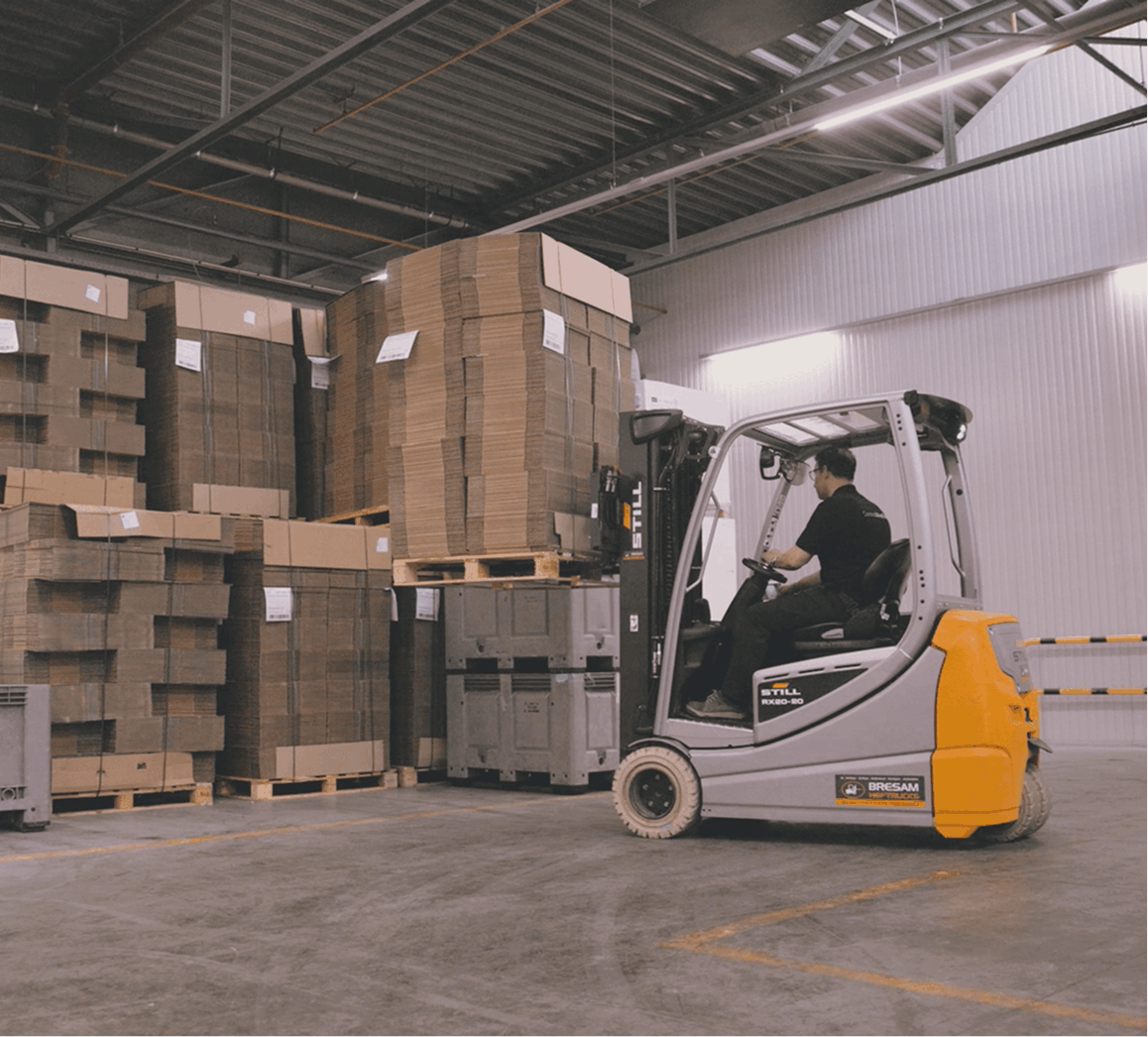
“We were turning away business we could easily fulfil,” Boris recalls. “Customers would call asking if we could print a specific size or substrate, and we’d say yes but they couldn’t order it through our webshop. We knew we were leaving money on the table.”
With web-to-print orders accounting for 85% of Control Media’s business, but their own branded webshop representing only a fraction of that, the company needed to evolve. Most orders came through external marketplace platforms, limiting Control Media’s control over customer relationships and margins.

Implementation: Turning Complexity Into Competitive Advantage
Like many complex digital transformation projects, Control Media’s migration to Infigo’s platform came with its share of challenges. The scale of the integration – from advanced product logic and bespoke pricing to split-shipping and automation through Enfocus Switch, meant the process required careful coordination and iteration.
For Boris, managing the programming and integration work alongside his prepress responsibilities, the initial site build and product configuration phase proved particularly time-consuming. The complexity of translating Control Media’s production capabilities into digital product logic required significant hands-on technical work.
“The early stages of building out the site and configuring products took more time than expected,” Boris admits. “But once we shifted to using a QA environment for testing updates, especially for complex features like split-shipping, things improved dramatically. We could experiment, find issues early, and build confidence before anything reached customers.”
That shift in approach transformed the collaboration. Regular review sessions allowed the teams to refine each feature in small, testable steps, while Jessica and Agnieszka handled customer contact and order management, ensuring business continuity throughout the transition.

Deep Integration with Production Workflows
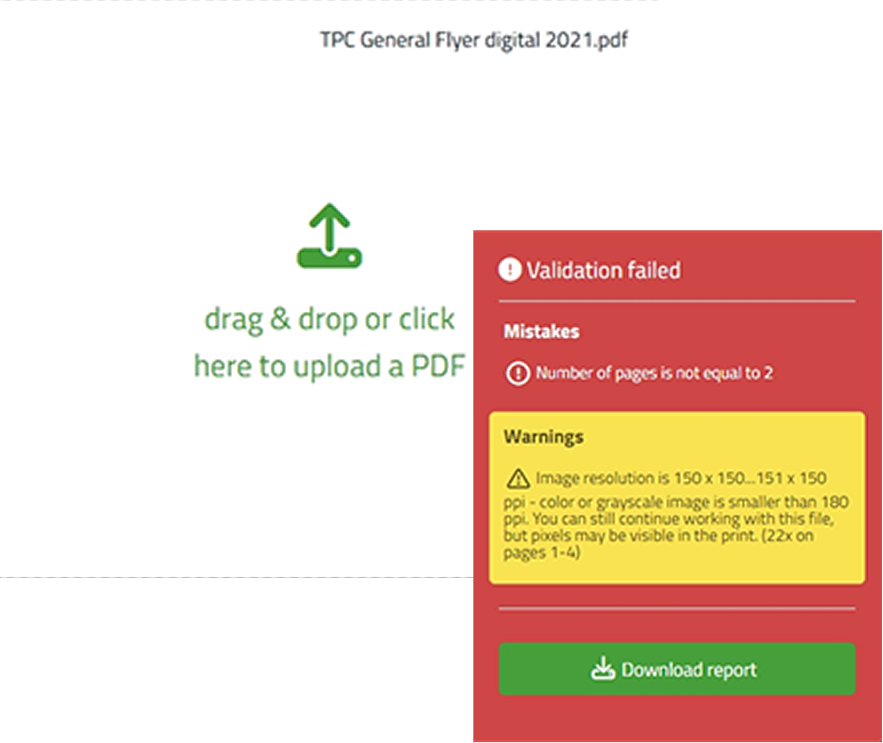
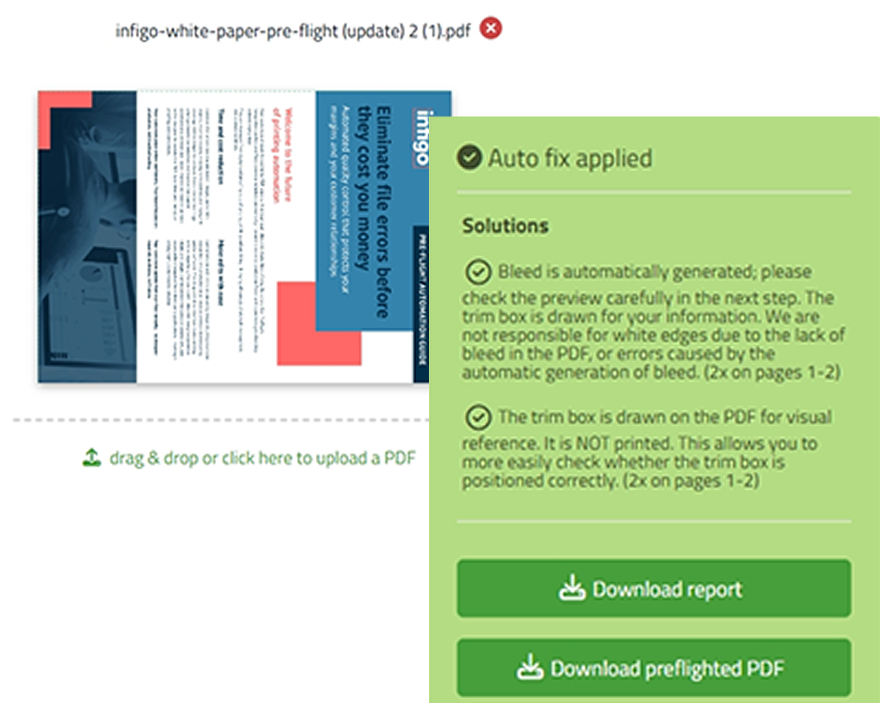

Control Media’s investment in workflow automation paid off significantly. With Infigo’s open architecture, Boris connected automated file checks, routing, and production triggers directly into the platform through integrations like Enfocus Switch, effectively turning the webshop into an intelligent, end-to-end production system.
The integration goes much deeper than simply passing files to the press. Infigo’s platform orchestrates Control Media’s entire production workflow. When an order arrives from the webshop, it automatically performs preflight checks, validates file specifications against production requirements, and flags potential issues before they reach the production floor. The system routes jobs to the appropriate equipment based on substrate, size, and finishing requirements, and even manages colour profiles and imposition layouts specific to each press.
“The platform doesn’t just move files – it makes decisions,” Boris explains. “It’s checking bleeds, resolving colour spaces, optimizing imposition, and routing work to the right press at the right time. What used to require multiple touchpoints and manual intervention now happens automatically, even at 2 AM when no one’s in the office.”
The connected system also handles split-shipping logic, coordinating when different components of a single order need to be produced on different equipment or at different times, then ensuring everything syncs correctly for delivery. For Control Media’s 24/7 operation, this level of automation transformed what was possible during overnight production runs.
Transforming the Customer Experience

Customer Configuration now available online
Products that previously required phone calls and manual quotes could now be configured, priced, and ordered online.

Instant validation eliminates costly errors
Automated file checking caught issues before orders entered production, reducing reprints and delays.

Small-Run digital printing surges
Orders for brochures and books jumped from 1–2 per week to 16 per week, unlocking previously untapped market potential.
Intelligent Pricing Smooths Production Peaks

Looking Forward: Building on a Strong Foundation


Boris and his colleagues are planning the next phase: expanding product offerings, adding advanced personalization options, and deepening integration between online ordering and production automation.
Pablo Cubillas reflects:
Key Takeaways for B2B Print Leaders

Match your digital capabilities to production reality
If your presses can handle it, your website should sell it.

Invest in integration, not just implementation
Connecting your web-to-print platform to workflow automation unlocks full value.

Expect complexity, but plan for iteration
Break challenges into manageable pieces; test early and often.

Focus on freeing your team, not replacing them
The best automation empowers staff to focus on higher-value work.

Customer flexibility drives growth
Removing ordering constraints uncovers hidden demand.
Latest Posts
How The Big Display Company turned complex wide-format into click-and-buy
How Positive+ moved from 10 Days to 72-Hour Print Orders